.jpg)


What services does Kanop offer?
anop combines satellite imagery, AI, and field measurements to deliver environmental data and services for nature-based carbon projects and agricultural supply chains. Our offering spans three main areas.
Carbon project MRV: We support the full lifecycle of nature-based carbon projects, from early-stage screening to ongoing verification. This includes eligibility and feasibility assessments across all major carbon standards (Verra, Gold Standard, BioCarbon Standard, Isometric, Equitable Earth, and more), dynamic baseline establishment, ex-ante carbon estimations, PDD support, and annual monitoring of carbon stocks, land use changes, and biodiversity indicators. We cover ARR, REDD+, and Blue Carbon project types.
Investment due diligence: For investors and fund managers, we provide independent, data-driven assessments to de-risk nature-based investments. This includes baseline validation, carbon crediting projections under different methodologies, portfolio-level monitoring, and audit-ready documentation. Our platform applies consistent methodologies globally, making it straightforward to compare and benchmark projects across geographies and ecosystem types.
Supply chain environmental monitoring: For corporates with significant nature dependencies, we help measure and report on the environmental impact of agricultural supply chains. This covers agroforestry carbon removal quantification, land use change emission factors, and biodiversity monitoring, aligned with the GHG Protocol (including Land Sector and Removals Standard), SBTi FLAG, CSRD, and TNFD frameworks. Our approach provides tailored, site-level insights for individual farms or projects rather than relying on generic averages.
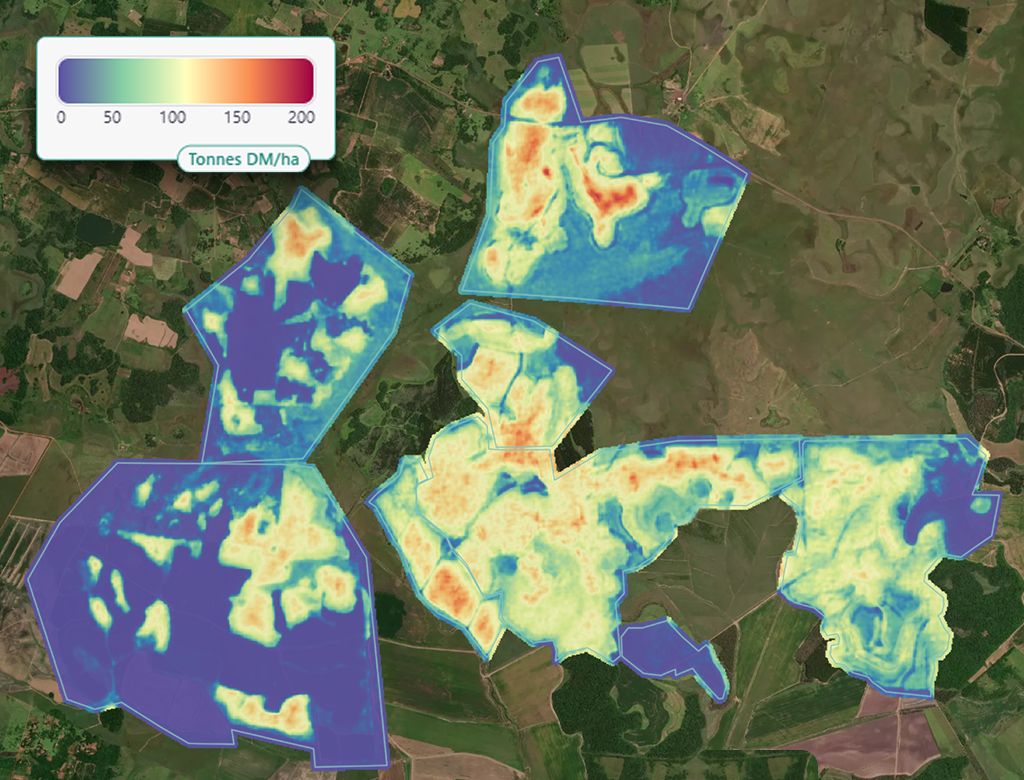
Data products and platform access: Underlying all of these services is our data platform, accessible via a web application and API. It delivers high-resolution measurements of aboveground and belowground biomass, canopy cover and height, land use and land cover classification, carbon stocks, and biodiversity metrics, with global coverage and a historical archive going back to 2013.
We work closely with leading carbon standards and certification bodies, contributing directly to methodology development and ensuring our tools stay aligned with the latest requirements.
Can you independently validate environmental baselines?
Yes. One of the key ways Kanop supports investors is by providing an independent, data-driven assessment of a project's environmental baseline, whether you're evaluating a new opportunity or reviewing the claims of an existing project.
How it works: Our AI models analyze multi-sensor satellite data (optical, radar, and LiDAR) to produce historical time series of biomass, carbon stocks, forest cover, canopy height, and land use going back to 2013. This gives you an independent view of what was actually happening on the ground before a project started, and whether the baseline scenario being presented is consistent with the satellite record.
Validated against independent references: Our data products are validated against multiple independent datasets, including NASA's GEDI L2A (tree height), GEDI L4B (aboveground biomass), and airborne LiDAR-derived AGB research. Kanop was also ranked as a top performer in the Equitable Earth benchmark against terrestrial and aerial LiDAR-derived AGB datasets. This means you're not just getting a second opinion; you're getting one that's been tested against the best available ground-truth data.
Quantified uncertainty: Every measurement comes with a 95% confidence interval, calculated through a rigorous process combining Test Time Augmentation at the pixel level with accuracy-rescaled standard deviations. For investors, this matters because uncertainty directly impacts credit issuance under methodologies like VM0047, where deductions are applied at the 90% confidence level.
Trusted by leading standards: Kanop is the only organization selected by Isometric as both a feasibility assessment partner and an Earth-observation data provider, out of over 20 applicants. We also provide data to support Verra's Long Term Monitoring System and work directly with multiple other carbon standards. These partnerships serve as independent, third-party validation of the reliability of our data products.
All outputs are transparent, shareable, and audit-ready, designed to give investors and co-investors confidence that baselines reflect reality.
Can you handle my entire portfolio across different geographies?
Yes. Kanop's platform is built for global coverage and portfolio-scale operations.
Our data products cover terrestrial ecosystems worldwide, including tropical rainforests, temperate forests, agroforestry systems, mangroves, wetlands, and grasslands. Whether your projects are in Latin America, Sub-Saharan Africa, Southeast Asia, Central Asia, or elsewhere, you get the same analytical framework and data quality. We provide a full historical archive going back to 2013 with annual data points, and can measure millions of hectares in a matter of days, making it practical to assess both individual sites and entire jurisdictions.
How do you assess investment risks for nature-based projects?
Kanop helps investors de-risk nature-based projects by providing scientifically validated, audit-ready data at every stage of the investment decision.
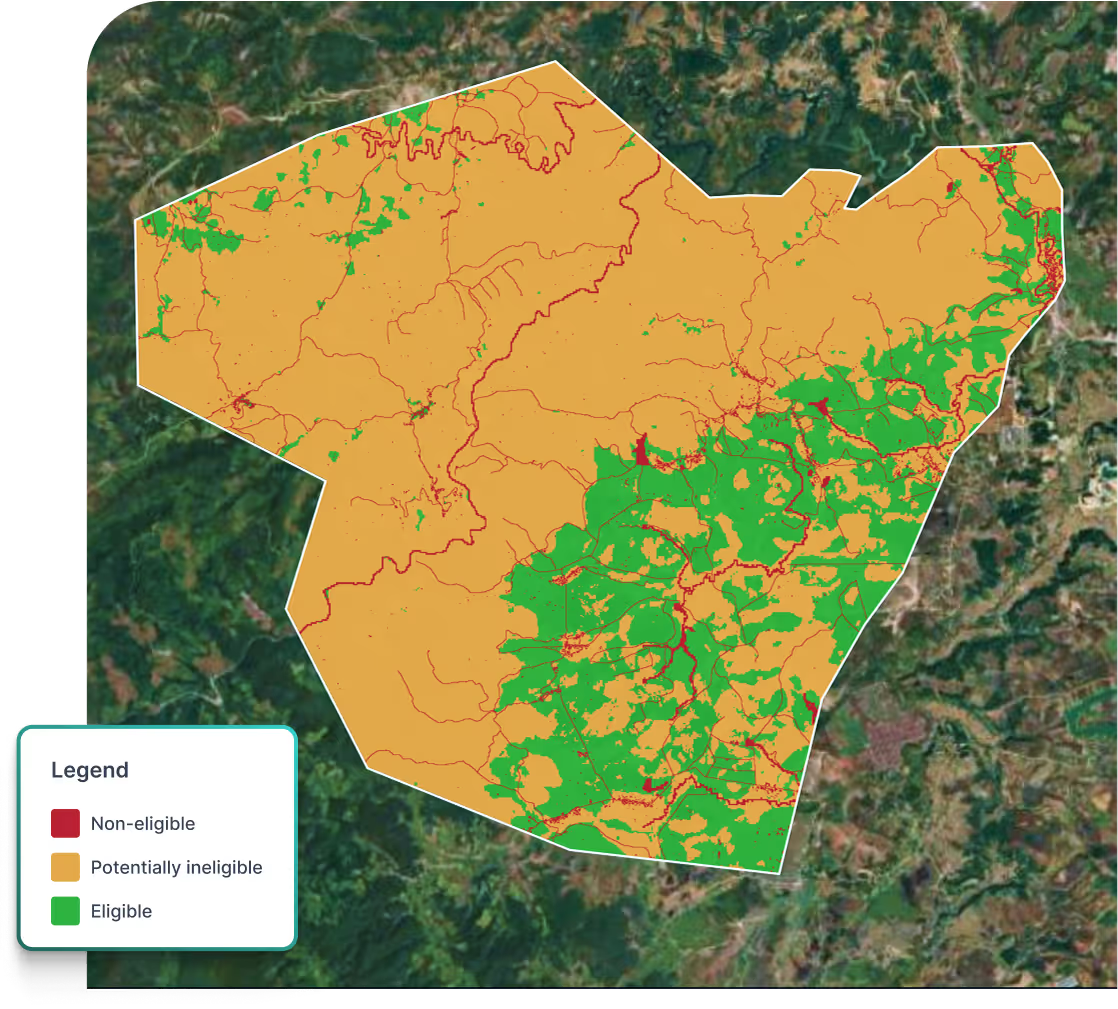
Pre-investment due diligence: Before you commit capital, we deliver rapid feasibility and eligibility assessments that verify whether a site meets the requirements of leading carbon standards. Our AI-powered Eligibility Assessment Agent can screen large, geographically dispersed project areas in days rather than weeks, reducing due diligence costs by up to 60% while surfacing risks early, such as ineligible zones, historical land use issues, or methodology constraints that could limit crediting potential.
Baseline and additionality validation: For projects already in development, we establish scientifically robust dynamic baselines that accurately quantify additionality. This is critical for avoiding over-crediting risk. For example, we've helped investors evaluate whether transitioning to newer methodologies like VM0047 would impact their credit issuance outlook, providing clear scenario comparisons to inform the decision.
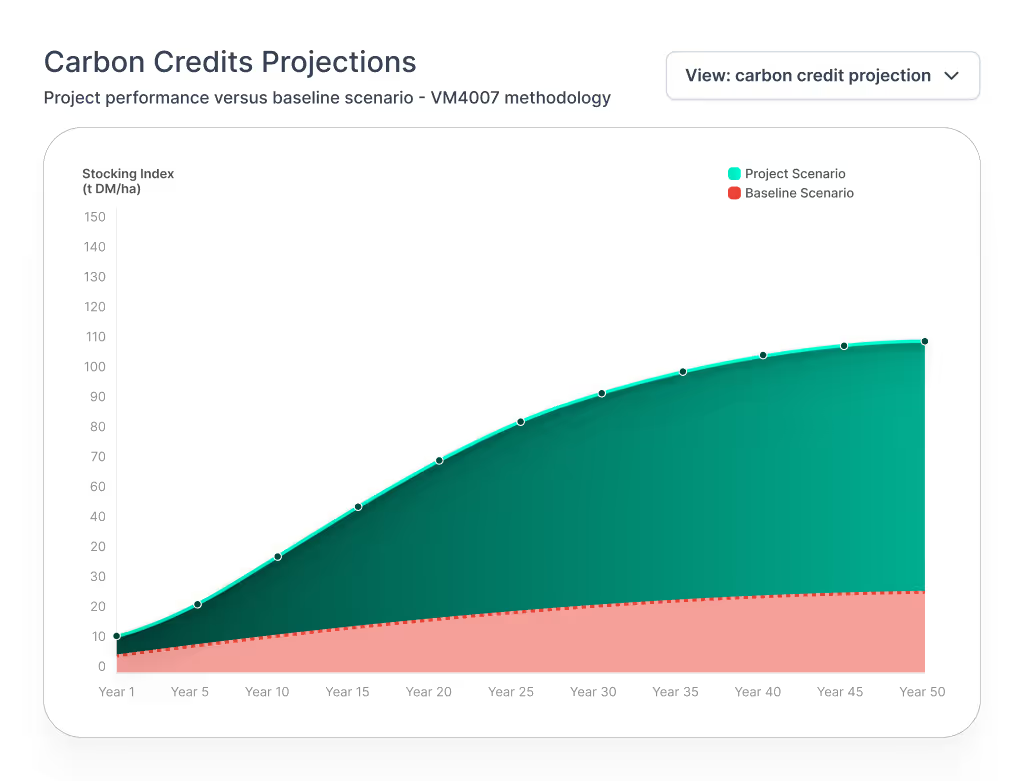
Carbon crediting projections: We model expected carbon sequestration and credit issuance under different methodologies, combining growth modeling with dynamic baseline simulations. For REDD+ projects, we also quantify the impact of varying degrees of leakage on total credit issuance. These projections give you a realistic picture of expected financial returns before validation begins.
Portfolio-level consistency: Our platform applies consistent methodologies across diverse ecosystems and geographies, from tropical rainforests to agroforestry systems and mangroves. Whether you're screening a single site or evaluating a pipeline of opportunities, every assessment follows the same rigorous analytical framework, making it easier to compare projects and allocate capital.
Ongoing performance tracking: After investment, our monitoring services provide continuous, independent measurement of carbon stocks, land use changes, and project performance benchmarks, so you can verify that projects are delivering on their commitments and flag underperformance early.
All outputs are transparent, shareable, and designed to be audit-ready for verification bodies, co-investors, and other stakeholders.
Is Kanop compatible with Verra, Gold Standard and other VCM standards?
Yes. Kanop's platform supports all major carbon standards, including Verra, Gold Standard, Isometric, Equitable Earth, BioCarbon Standard, Cercarbono, Plan Vivo and others.
Verra. Kanop is a vetted Data Service Provider for VM0047 dynamic baselines, one of only three providers vetted for performance benchmarks following Verra's independent assessment of our data product methodology and systems (announcement, May 2026). Our outputs feed directly into the Verra Project Hub, giving developers a methodology-aligned data layer that integrates with the submission and review process. We have delivered more than 30 VM0047 dynamic baselines to date, and also support VM0048/VMD0055 (REDD+), VM0033 (blue carbon) and VT0005.
Gold Standard. We maintain an ongoing feedback loop with Gold Standard on the STARR methodology and support their A/R methodology (v2.0) for eligibility, quantification and monitoring. Our remote sensing data products are also compatible with their mangrove methodology.
Isometric. Out of more than twenty applicants, Kanop was selected in Isometric's first cohort of nature-based service partners and was the only organisation chosen across both categories: feasibility assessment partner and Earth observation data provider (announcement, February 2026). Projects certifying under Isometric's Biosphere Protocols for reforestation, improved forest management, mangrove restoration and agroforestry can integrate Kanop's monitoring directly within the certification workflow, with Isometric procuring the data on behalf of suppliers.
Equitable Earth. Kanop ranked among the top performing providers in Equitable Earth's independent aboveground biomass benchmark, tested against terrestrial and aerial LiDAR reference data, and is one of two biomass providers underpinning their M001 methodology for terrestrial forest restoration. We support M001 with automated eligibility assessments and dynamic baseline simulations.
Beyond these, we work closely with BioCarbon Standard, Cercarbono, Plan Vivo, the American Carbon Registry, ART-TREES and Climate Action Reserve.
How do you support Afforestation, Reforestation, and Revegetation (ARR) project development?
ARR is one of Kanop's deepest areas of expertise. We offer a dedicated ARR Project Toolbox that covers every stage, from site identification to ongoing verification support.
Site selection and suitability ranking: We assess and rate your area of interest for ARR potential by combining biomass data, canopy metrics, elevation, slope, NDVI, and other environmental parameters. The result is a ranked map showing which zones are most promising for planting, so you can focus resources where they'll have the greatest impact.
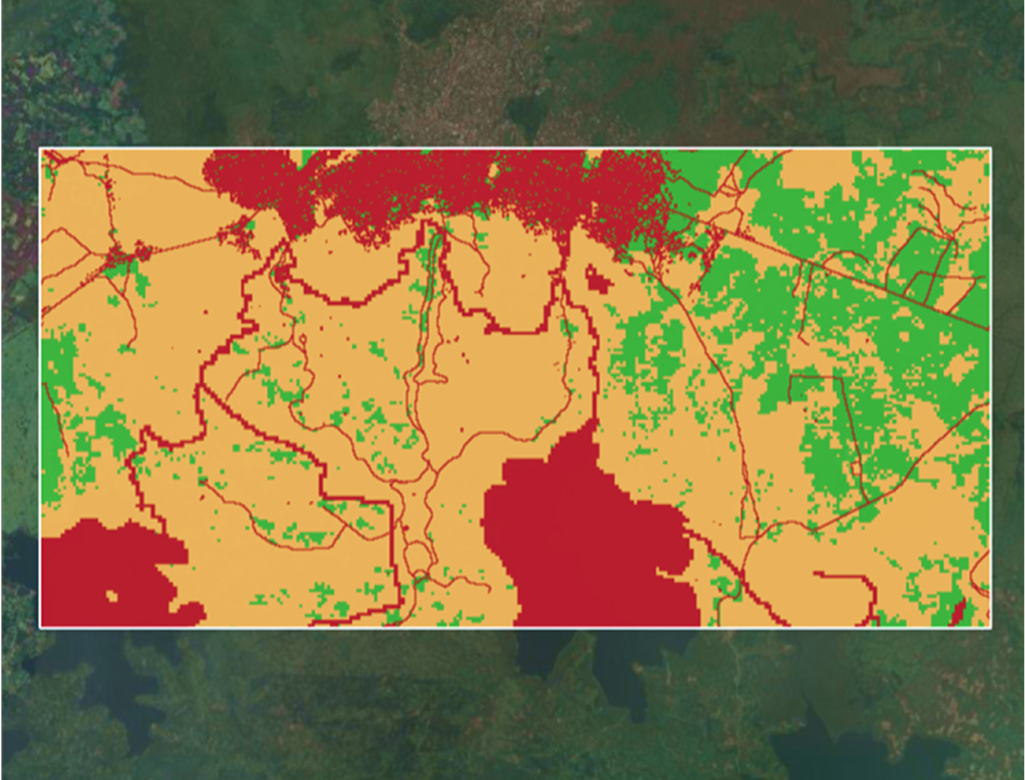
Eligibility analysis: We evaluate your project area against all leading ARR methodologies, including Verra VM0047, Gold Standard ARR, BioCarbon Standard, Isometric Reforestation Protocol, and Equitable Earth, among others. You receive pixel-level eligibility maps and a detailed report showing which areas qualify under each methodology and where constraints exist. This lets you choose the standard that maximizes your eligible project area and crediting potential.
Carbon crediting projections: Before committing to a methodology, we model expected carbon sequestration and credit issuance under different standards so you can compare outcomes and make data-driven decisions about your project design.
PDD support (VM0047): We produce PDD-ready documentation for Sections 8 and 9, covering dynamic baseline construction, performance benchmark derivation, project and leakage emissions quantification, ex-ante estimation for the full crediting period, and a comprehensive monitoring plan with field sampling protocols and QA/QC procedures. Typical delivery is 6 to 8 weeks, and we provide direct VVB support during validation.
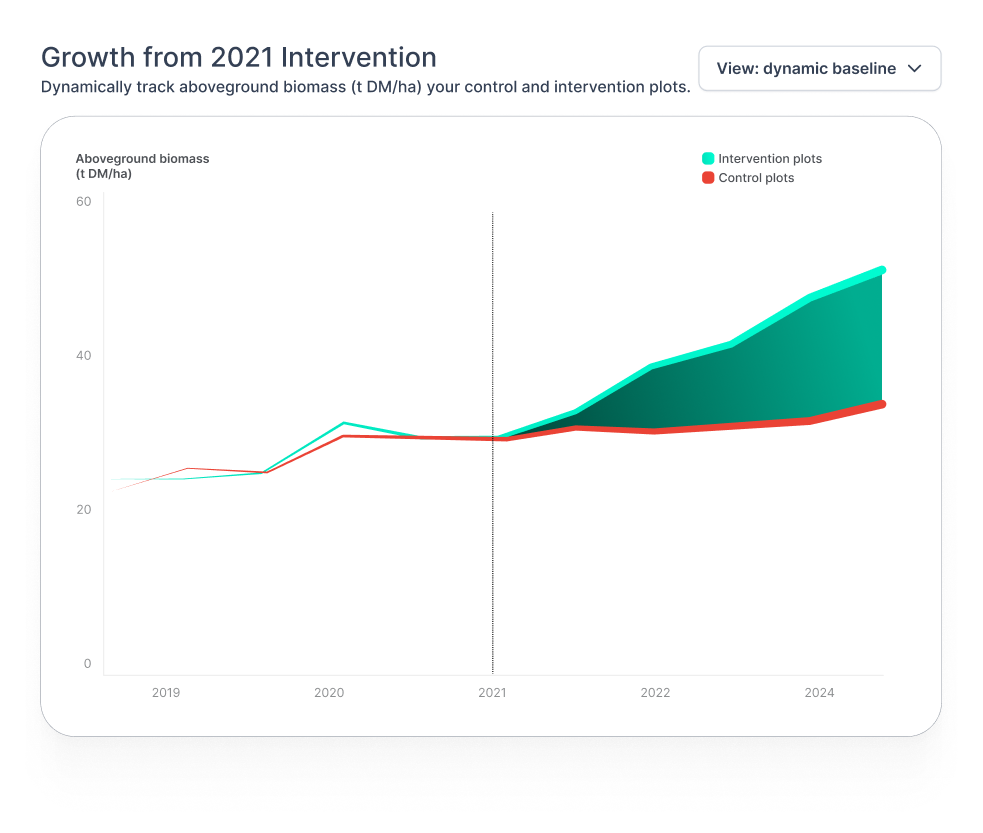
Ongoing monitoring: After validation, we deliver annual stocking index updates for both project and control plots, land use change detection, and carbon stock tracking. All data is accessible via the Kanop web app and API, keeping you verification-ready at all times.
We work directly with Verra, Gold Standard, Isometric, and other standard-setting bodies on methodology development, so our tools stay aligned with the latest requirements. You can explore our full ARR offering in detail through our ARR Project Toolbox.
Is ground data necessary?
No. Our models are designed to deliver verification-grade results without any field data, and they are validated independently: over 1,000,000 hectares of LiDAR-derived reference maps across 110 sites in temperate, tropical and mangrove ecosystems, with a mean absolute error of 32.8 t DM/ha (21% relative) and an R² of 0.65. Every prediction ships with a pixel-level confidence interval (95% by default).
That said, adding your field measurements is the most effective way to improve precision on a specific project. We recalibrate using Gaussian Process Regression, which learns correction patterns from both geographic proximity and spectral similarity, so outputs are anchored to measured values near your plots and spectrally similar pixels benefit from the same correction even when they sit far away. Lower uncertainty means smaller deductions at verification and fewer sample plots required in the first place.
Is Kanop capable of generating baseline data for both static and dynamic baseline approaches?
Yes, we effectively establish both static and dynamic baselines for carbon projects. For static baselines, our platform provides historical data back to 2000, creating fixed reference points for measuring project performance.
For dynamic baselines (like VM0047), we support the entire process - from selecting representative project plots and matching control plots using k-nearest optimal matching, to monitoring stocking index over time and deriving performance benchmarks.